Dubai Islands: Geography and Real Estate Insights

Intro
With the sun-soaked shores of the Arabian Gulf, the Dubai Islands stand as a symbol of modern ingenuity and a testament to ambitious real estate ventures. Over recent years, these man-made islands have caught the attention of investors, homebuyers, and real estate agents alike. The islands are not just geographical marvels—they're also pivotal to Dubai's thriving property market. Understanding their evolving landscape has become essential for anyone looking at investment opportunities in this region.
Today, we will peel back the layers of the Dubai Islands, exploring not just their geographical significance but also their burgeoning investment potential.
Market Overview
Current Trends
As the world grapples with fluctuations in economic tides, the real estate market on the Dubai Islands remains buoyant. Project developments such as the Palm Jumeirah and Bluewaters Island have created a unique property ecosystem attracting local and international investors. The focus has shifted toward luxury residential units and high-end resorts, catering to the insatiable demand for premium living spaces.
Notably, the luxury segment has shown remarkable resilience during economic downturns, suggesting a shift in buyer preferences towards properties that promise exclusivity and unparalleled amenities. The architectural glamour, combined with leisure and recreation facilities, makes the islands immensely appealing.
Forecast and Predictions
Looking ahead, experts predict continued growth for the Dubai Islands. With mega-events like Expo 2020 and ongoing tourism recovery post-pandemic, investment interest is likely to surge. A report from the Dubai Land Department suggests that property prices are expected to rise steadily over the next few years, driven by infrastructural enhancements and the expansion of transport links, making accessibility a key factor.
"The sustained interest in Dubai Islands signifies a shift into a new phase of real estate development characterized by sophistication and sustainability."
—Real Estate Analyst at Dubai Investments.
Investment Opportunities
Residential Properties
The residential market on the islands is teeming with options, from opulent villas to chic apartments. Investors often gravitate towards Palm Jumeirah for its iconic status, where properties command premium prices yet promise high rental yields due to their desirability. Another noteworthy spot is The World Islands, each island offering a unique conceptual theme, making for a compelling vacation or investment property.
Key features attracting buyers include:
- Stunning views: Many properties boast breathtaking views of the Dubai skyline and the azure waters of the Gulf.
- Luxury amenities: From private beaches to high-end spas, these properties provide an unparalleled living experience.
- Sustainable living: Some developments have introduced green technologies, responding to global environmental concerns.
Commercial Ventures
The commercial sector also reveals promising prospects. Bluewaters Island, home to the Dubai Eye, combines retail, hospitality, and entertainment offerings, fostering a vibrant hub for businesses. Investors can explore opportunities in:
- Retail spaces: High foot traffic locations ensure strong customer engagement.
- Hospitality investments: Luxury hotels and resort establishments have been a preferred choice, with tourism reopening.
- Office spaces: As companies embrace a hybrid work model, flexible work solutions in premium locations are gaining traction.
Overall, the Dubai Islands are not merely an investment in real estate, but an entry into a lifestyle that is fast becoming synonymous with luxury and innovation.
As potential buyers and investors focus their sights on the Caribbean of the Middle East, familiarity with these dynamic landscapes and their real estate intricacies will pave the way for informed decisions, optimizing investment returns.
For further reading on the subject, you may visit resources like Dubai Land Department or Wikipedia on Dubai Islands.
All in all, navigating the Dubai Islands requires a well-rounded understanding of their geographic significance and the myriad of investment opportunities they present.
Prelude to Dubai Islands
The pristine Dubai Islands represent a unique fusion of successful urban planning and ambitious architectural endeavors. This section serves as a foundation for understanding not just the geographic significance of these islands but also the intricate investments and opportunities they present to discerning stakeholders. When one delves into the dynamics surrounding these islands, it becomes evident that they are not merely geographical formations but emblematic of Dubai’s relentless pursuit of innovation, luxury, and sustainability in urban development.
The significance of the Dubai Islands resides in their ability to attract a diverse range of investors, from high-net-worth individuals seeking luxurious properties to corporations aiming to capitalize on the island's commercial potential. With countless facets worth exploring, such as their artificial construction methods and sustainable practices, readers will gain insights that could prove valuable in navigating the complex real estate landscape.
By examining the location, historical development, and investment aptitudes of these islands, we aim to provide a thorough understanding of why they have become focal points in both local and international markets. It’s essential to recognize how these islands enhance the urban environment—acting as islands of opportunity in a bustling city renowned for its architectural marvels.
Geographical Overview
The geographical layout of the Dubai Islands showcases a combination of natural beauty and remarkable engineering. Often viewed through the lens of tourism and luxury, their topography holds deeper implications for understanding Dubai's urban geography. Unlike standard land masses, these islands are meticulously crafted over years, creating not just residential opportunities but also spaces for leisure and commercial activities.
Lying in the warm waters of the Arabian Gulf, the islands are accessible by various transport means including roadways and water taxis, accentuating their connectivity with the mainland. This strategic geographical positioning promotes both convenience for residents and attractiveness for investors. The role of these islands in the marine ecosystem also invites consideration, as they offer habitats for various species, thus fostering a balance between development and environmental preservation.
Strategic Location on the World Map


When considering the strategic location of the Dubai Islands, it’s impossible to overlook their potential as a global hub. Situated at the crossroads of Europe, Asia, and Africa, Dubai possesses a vibrant marketplace that is continuously evolving. The proximity of the islands to key trade routes enhances their appeal, allowing investors to capitalize on the booming tourism sector as well as the international business opportunities that arise from being within such an influential geographic zone.
The islands serve not only as luxurious getaways but also as symbols of modern development. They reflect Dubai’s capacity to create spaces that offer both leisure and business investments while aiming to position itself as a world leader in the tourism sector.
In summary, understanding both the geographical overview and strategic international positioning of the Dubai Islands is crucial for appreciating their significance within the global landscape. These factors collectively contribute to an ecosystem ripe for investment, making them attractive to a diverse array of stakeholders eager to make their mark in the flourishing real estate market.
Historical Context
Understanding the historical context of the Dubai Islands is crucial for anyone looking to navigate the complex terrain of real estate investment in the area. The story behind these islands is a tale of ambition, innovation, and transformation—elements that define Dubai itself. Shifting landscapes and the evolution of urban planning in Dubai have significant implications for current and future investments.
The Evolution of Dubai's Urban Landscape
Dubai's transformation from a modest fishing village into a global city is not just a swift shift but a carefully orchestrated development over decades. In the late 20th century, the leaders of Dubai envisioned a city that could stand against the likes of Hong Kong and Singapore. This vision set off a monumental change, laying the foundation for the incredible projects we see today, including the iconic Palm Islands.
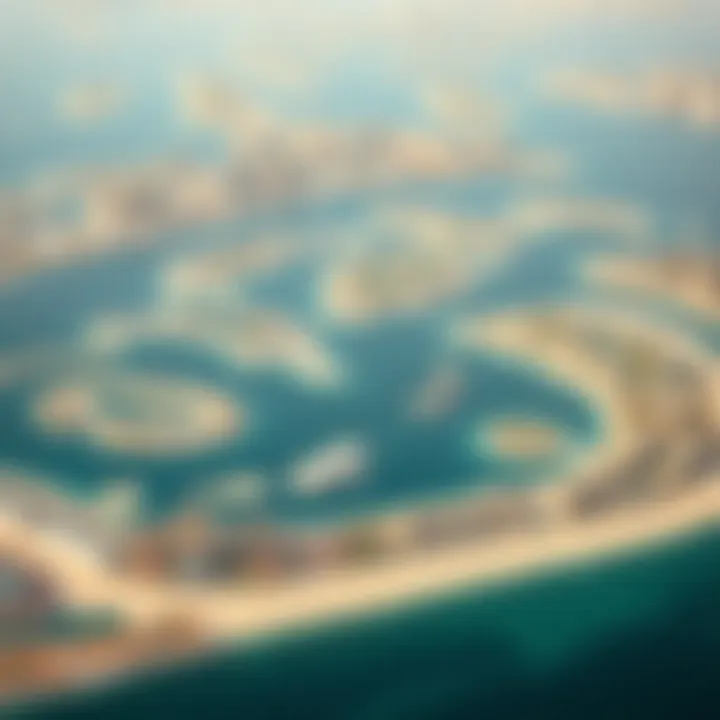
The Palm Jumeirah, designed in the shape of a palm tree, was recognized not just for its unique aesthetic but also for its ambition. Built mainly in the early 2000s, it aimed to increase the housing capacity while creating a luxurious lifestyle appeal. As the island gradually emerged from the waters, it wasn’t simply about creating more land; it was about building a lifestyle, drawing in investors from around the globe.
Key Milestones in Urban Development:
- Mid 1990s: Initial vision proposed for the islands.
- 2001: Construction of Palm Jumeirah began, symbolizing the start of the island revolution.
- 2010: Completion of Palm Jumeirah, making it the first island project, followed by developments like The World Islands.
This evolutionary process didn't merely shape the skyline; it also highlighted an ongoing commitment to tourism and hospitality. Key attractions such as luxury resorts and restaurants were strategically placed to complement residential units, weaving a tapestry of leisure and lifestyle.
This evolution displays a direct correlation between urban planning and investment viability. The visionary approach to development lured investors and homebuyers who were seduced by the glitz and glamour of life on artificial islands.
Development of the Island Projects
The Dubai Islands are a case study in innovative project development, showcasing how groundbreaking ideas can result in lucrative business opportunities. The concept of artificial islands was born out of necessity—deliberate foresight in expanding Dubai's spatial footprint while maintaining its core identity.
The development process for each island is intricate and showcases remarkable engineering prowess. Techniques such as land reclamation, dredging, and infrastructural enhancement are employed extensively. The Palm Jumeirah, for example, utilized an ingenious system of sand and rock to create its structure. A unique method called the *
Main Features of Dubai Islands
The Dubai Islands represent a remarkable illustration of modern development and innovative thinking. Their design and characteristics reveal much about the city's aspirations and its place in the global economy. Focusing on a blend of artificial island construction techniques, architectural diversity, and eco-friendly practices reveals their multifaceted nature and positions them as a focal point for investors and real estate enthusiasts alike. Below is an exploration of these critical features shaping the Dubai Islands.
Artificial Island Construction Techniques
Creating islands from scratch in the heart of the Persian Gulf was no small feat. The construction methods applied on the Dubai Islands reflect ingenuity and technical prowess. To begin with, land reclamation plays a pivotal role. Engineers use large dredging vessels to scoop sand from the sea floor and deposit it into configured shapes designed for the islands’ layout. This sand, shaped into land contours, forms the base of these man-made marvels.
Additionally, geotextiles and breakwaters are employed to prevent erosion and destabilization of the islands. These barriers mitigate wave impact and protect the infrastructures above. As a result, structures perched on these islands stand resilient against sea currents and harsh weather.
Importantly, engineers have innovated upon previous techniques, deploying advanced monitoring systems to track settling and integrity during and post-construction. This level of oversight ensures that the investment, both in terms of finance and natural resources, is safeguarded.
"The construction of Dubai's artificial islands not only reshaped its coastline but also its identity on the global stage."
Architectural Diversity and Style
Dubai Islands are not just about being environmentally revolutionary; they are also a canvas for architectural expression. The designs symbolize a blend of cultures, reflecting the city's diverse population and its role as a cosmopolitan hub. Iconic structures like the Burj Al Arab, although not on the islands themselves, set the tone for the luxurious aesthetics found here.
Each island boasts distinct architectural themes, with some emphasizing modernist concepts while others draw on traditional elements from Middle Eastern culture. For instance, the Palm Jumeirah features palm tree motifs, while the World Islands symbolically represent countries of the world, each suggesting its unique identity through architecture. These intricate designs cater not only to luxury but also to function, offering stunning views and innovative layouts that maximize both space and natural light.
Moreover, local authorities encourage architectural firms from around the globe to contribute their flair, resulting in a composite architecture that cannot be replicated elsewhere. Investors looking for opulence and prestige find that the offerings here go far beyond typical developments, reminding one of Dubai's mantra of pushing boundaries and redefining luxury.
Environmentally Sustainable Practices
As the world increasingly leans towards sustainability, the Dubai Islands embed eco-friendly practices into their construction and operation. A significant push towards green architecture has been made here, integrating features that minimize energy consumption and promote sustainability. Many buildings harness solar power, with systems designed to capture sunlight and convert it into usable energy, reducing dependency on non-renewable resources.
Moreover, there is a push for native landscaping that nurtures the local ecology and conserves water. Strategies such as rainwater harvesting systems help manage this vital resource effectively. Importantly, construction companies are compelled by local regulations to adhere to sustainable practices, which include recycling waste and using environmentally friendly materials.
Investors are increasingly attracted to developments such as these as climate-conscious choices become paramount. The islands not only reflect the lavish lifestyle attainable in Dubai but also demonstrate a commitment to environmental stewardship, presenting a dual benefit for investors.


In summary, the main features of Dubai Islands encapsulate the fusion of cutting-edge construction techniques, diverse architectural styles, and a robust commitment to sustainability. This unique blend renders them a noteworthy subject for any potential investor or real estate professional.
Economic Implications
Understanding the economic implications of the Dubai Islands is paramount for anyone looking to invest or engage with this burgeoning market. The islands are not just geographical marvels; they symbolize the aspirations and strategic foresight of Dubai’s economy. Here, we delve into two crucial aspects: investment opportunities and their broader impact on both local and national economies.
Investment Opportunities in Dubai Islands
Investment opportunities in the Dubai Islands are as wide-ranging as their geographical features. With each island offering a unique perspective, investors can find appealing options catering to various portfolios.
- Luxury Real Estate: The Palm Jumeirah and The World Islands showcase high-end residential projects, attracting affluent buyers. Properties here are not just homes; they are status symbols.
- Commercial Ventures: Emerging commercial zones on the islands are enticing businesses looking to capitalize on the upscale clientele. Retail spaces, restaurants, and recreational facilities are becoming increasingly appealing to investors.
- Tourism Initiatives: The islands are designed to attract tourists, offering a mix of leisure and cultural experiences. From luxurious resorts to water parks, such developments not only increase occupancy rates but also enhance the overall appeal of Dubai.
- Sustainability Investments: With an increasing focus on environmentally sustainable practices, investments in eco-friendly initiatives are seeing a boost. Green building methods and sustainable tourism practices can attract a niche of eco-conscious investors.
In essence, the Dubai Islands present a tapestry of possibilities. Each island captures a different facet of the real estate market, making it easier for investors to identify the spots that align with their strategies.
Impact on the Local and National Economy
The development of the Dubai Islands has far-reaching implications on the local and national economy. These effects are multi-dimensional and will be explored below.
- Job Creation: As construction ramps up, local employment opportunities soar. Both skilled and unskilled workers find roles in various sectors from civil engineering to hospitality services.
- Infrastructure Development: With the creation of the islands, infrastructure also gets a major facelift. New roads, transportation systems, and utilities expand across Dubai, benefiting the residents and enhancing the overall city layout.
- Boosting GDP: Real estate and tourism are significant contributors to Dubai’s GDP. As the islands attract visitors and buyers alike, this translates into direct gains for the economy. Consumption increases, benefiting local businesses.
- Cultural Cohesion: The islands also serve as a melting pot of cultures. With international visitors flocking to the area, there is enhanced cultural exchange, which enriches the local community.
Real Estate Dynamics
Real estate dynamics in the Dubai Islands represent a crucial aspect of the broader economic picture in this region. To grasp the significance of these dynamics, one must delve into various factors that shape the market. The interplay between supply and demand, investor sentiment, and geopolitical influences all play a role in determining property values and investment viability in these unique islands.
The Dubai Islands have become a magnet for investors looking to capitalize on the booming real estate sector. Their allure stems from strategic location, advanced infrastructure, and a host of luxury amenities. Particularly appealing is the way these islands are positioned both for residents and tourists alike, which contributes to a steady interest in property management and rental opportunities. As such, understanding real estate dynamics can provide invaluable insights for potential investors.
Market Trends and Analysis
When it comes to market trends, several patterns are evolving in the Dubai Islands real estate sector. Currently, there's a marked shift towards sustainable living environments. Buyers are increasingly considering eco-friendly developments that reduce their carbon footprint. Developers are responding in kind, incorporating technologies that promote energy efficiency and sustainability into their projects.
In addition to sustainability, there's been a ripple effect caused by the growing demand for luxury housing. Investors are venturing into high-end residences, especially those boasting sea views or direct beach access. Properties like those on Palm Jumeirah stand testament to this evolving preference. The prices may fluctuate, but the demand for upscale living remains robust and hints at rising property values.
"Investing in luxury real estate on the Dubai Islands isn't just about property; it's about lifestyle. The market reflects a shift from mere investment to creating a home within a lavish setting."
Some numerical data helps to clarify this market analysis:
- Average Price Growth: Recent statistics indicate luxury properties have seen a price increase of approximately 15% year-over-year.
- Rental Yields: For investors, the current rental yields range from 6% to 8%, making it a lucrative venture for those looking to recoup their investment over time.
Buyer Demographics and Preferences
Understanding who is buying property in the Dubai Islands is paramount for real estate insights. The buyer demographics are diverse, including both domestic and international investors. Many are affluent individuals from Europe, Asia, and the Middle East seeking not just an investment but a lifestyle upgrade. Often, these buyers are looking for second homes or vacation properties, a trend that is notably increasing.
Some preferences have emerged among these buyers:
- Family-friendly amenities: Many families gravitate toward developments with schools, parks, and shopping complexes.
- Cultural suitability: A significant considering factor is cultural alignment; luxury properties offering a blend of modern design with traditional elements tend to attract more interest.
- Market confidence: The willingness to buy is often contingent upon macroeconomic indicators. A stable economy enhances investor confidence, leading to quicker purchasing decisions.
What remains clear is that real estate dynamics on the Dubai Islands encapsulate more than just property values; they mirror shifting lifestyles, economic conditions, and cultural nuances. Thus, for both current investors and prospective buyers, staying attuned to these developments becomes essential for making well-informed decisions.
Cultural and Recreational Aspects
The cultural and recreational aspects of the Dubai Islands are not just peripheral features; they form the backbone of the islands' appeal. With an increasingly globalized audience, cultural attractions serve as beacons, drawing individuals from various backgrounds, while recreational opportunities enhance the lived experience, making the islands a sought-after destination for tourists and residents alike. In this context, these aspects play critical roles in not only enhancing the quality of life but also in fostering economic growth through tourism and investment. As such, understanding these attributes provides invaluable insights into the broader investment landscape surrounding the Dubai Islands.
Cultural Attractions on the Islands
The Dubai Islands boast a rich tapestry of cultural attractions that reflect the multifaceted nature of its inhabitants. One standout feature is the purpose-built art district, where galleries and studios showcase works from local and international artists. This creative hub is a magnet for art enthusiasts, offering a platform for exhibitions and workshops throughout the year. Significant annual events, such as the Dubai Arts Festival, further enliven the cultural scene, encouraging collaborations and fostering community involvement.
In terms of heritage, museums are strategically placed across the islands, featuring everything from traditional Emirati artifacts to contemporary pieces that narrate the evolution of the region. These institutions effectively bridge the past and present, educating visitors about the rich history of Dubai while simultaneously celebrating its rapidly growing contemporary culture. The integration of traditional architectural designs with modern buildings also provides a visual narrative that resonates with the culture’s identity.


To enhance visitor engagement, guided tours are commonplace, enriching the experience by offering deeper insights into the historical significance and contemporary art movement within the region. This unique blend of antiquity and modernity serves to elevate the status of the islands as a cultural nexus in the UAE.
Recreation and Tourism Potential
When considering the islands' recreation and tourism potential, it's clear this area has been carefully curated to maximize visitor engagement. Pristine beaches line the shores, offering opportunities for sunbathing, water sports, and even private boat charters. The natural scenery serves not just as a backdrop but as an integral part of the recreational offerings, making the islands a haven for relaxation and adventure.
There are numerous parks and open spaces designed for families and communities, incorporating play areas for children, walking trails, and picnic spots that are conducive for social gatherings. Events like outdoor movie nights and local food festivals regularly take place, fostering a sense of community while also attracting tourists.
Also notable are the shopping and dining districts that have sprouted throughout the islands. These areas feature a blend of high-end boutiques, traditional markets, and gourmet food options that cater to a diverse audience, drawing in both tourists and locals alike.
In terms of tourism potential, the islands are strategically positioned to welcome global travelers, contributing to the UAE's vision of boosting tourism as a cornerstone of its economy. With ongoing investment in infrastructure and hospitality, the future looks promising.
As Dubai continues to invest in its cultural and recreational landscape, the Dubai Islands stand out as prime opportunities for investors looking to capitalize on the thriving tourism and entertainment sectors.
In summary, the cultural attractions and recreational facets of the Dubai Islands offer a unique blend that appeals to a wide range of visitors. They play a crucial role in shaping the islands' identity, making them an attractive prospect for investors, while simultaneously enriching the social and cultural fabric of the community.
Future Prospects
The future of the Dubai Islands is indeed a topic of immense significance, not just for local stakeholders but also for global investors and real estate enthusiasts alike. As we look to the horizon of development and growth, understanding the various elements that underpin the promise of these islands becomes essential. The Dubai Islands hold unique potential in terms of real estate development, economic contributions, and lifestyle enhancements that can attract a diverse array of users and investors. Moreover, these prospects aren't just a fleeting vision; they are backed by strategic planning, innovative construction techniques, and a growing demand for luxury living spaces.
Forecast for Real Estate Development
When considering the forecast for real estate development on the Dubai Islands, one thing becomes crystal clear: the trajectory is upwards, and fast. The city’s government is committed to transforming these islands into thriving residential and commercial hubs. The increasing interest in the luxurious lifestyle that Dubai offers is fuelling this growth. Several key trends can be highlighted:
- Mixed-Use Developments: Projects that combine residential units, retail spaces, and leisure facilities are becoming the norm, appealing to a broad demographic. These developments are not just about homes; they’re about creating integrated communities where people can live, work, and enjoy themselves all in one place.
- Sustainable Practices: There’s a palpable shift towards eco-friendly real estate. Developers are focusing on sustainable construction practices, looking to minimize environmental footprints, while still delivering luxurious experiences. This is a vital consideration as climate change increasingly takes center stage in conversations around development.
- Technological Integration: The future of real estate on the islands will also see a significant rise in the usage of smart home technologies, emphasizing security and convenience. This tech-savvy transition is anticipated to resonate well with younger buyers who prioritize sustainability and innovation.
While the development forecast appears overwhelmingly positive, it is crucial to note that location plays a pivotal role. Many investors are closely monitoring the proximity of these islands to urban amenities, attractions, and infrastructural developments. As transport links improve and more facilities arise, the overall desirability of real estate will naturally rise.
Potential Challenges Ahead
While there’s a lot of optimism, it’s essential to approach the future prospects with a healthy dose of realism. The journey towards fully realizing the potential of the Dubai Islands is not without its challenges.
- Economic Volatility: The global economy can be fickle, and fluctuations can impact investment interest. Investors need to stay updated on regional and global economic indicators that might influence property values. A downturn in the economy can lead to decreased demand and prolonged oversupply in the market.
- Regulatory Hurdles: Navigating through the legal and bureaucratic landscape for property development can be complex. Changes in regulations can affect timelines and profitability, which could deter some investors from pursuing opportunities on the islands.
- Environmental Concerns: As the world becomes more environmentally conscious, developers must grapple with the challenges of balancing development with ecological preservation. There is an ongoing debate about the environmental impact of building on artificial islands, which might affect future projects.
"Understanding and navigating the challenges is just as important as recognizing the opportunities when it comes to the Dubai Islands' future."
In summary, while the potential for real estate development on the Dubai Islands appears bright, significant attention must be given to potential challenges. Investors need to approach these opportunities with a balance of enthusiasm and caution to thrive in this expansive market.
Finale
The conclusion of this article presents an opportunity to reflect on the multifaceted aspects of Dubai Islands. Here we distill the significant insights gained throughout the narrative, a reminder of why understanding these islands is crucial for anyone interested in Dubai’s real estate or broader economic landscape.
Summary of Key Findings
In synthesizing the key points discussed, several findings stand out:
- Geographical Significance: The unique layout and strategic positioning make Dubai Islands accessible to global markets, enhancing their desirability.
- Investment Opportunities: The allure of high returns on investment attracts a diverse range of investors, from international businesses to individual homebuyers.
- Cultural and Recreational Attractions: The islands are not just properties but vibrant spaces rich with cultural significance and recreational potential, catering to a variety of lifestyles.
- Sustainable Practices: With an emphasis on eco-friendly construction and planning, these islands exemplify modern urban development that respects the environment.
These points reinforce the idea that Dubai Islands are not just a real estate development but a pivotal component of Dubai's identity and economic future.
Final Thoughts on Investment Viability
When considering the investment viability of the Dubai Islands, it’s essential to weigh both opportunities and potential challenges. While the current market presents a compelling case for investment with possible lucrative returns, stakeholders must also consider external economic factors and shifts in buyer preferences.
For investors, it’s wise to stay abreast of market trends to make informed decisions. The islands offer a promising landscape, but understanding the intricacies of real estate dynamics and local regulations is paramount. Investors should consult with local experts and consider conducting thorough due diligence before committing.
It's clear that the Dubai Islands hold substantial potential. With ongoing developments and an evolving market, they continue to transform Dubai’s real estate narrative, solidifying their place on the global stage.
As potential investors and stakeholders explore this vibrant domain, they do so with a toolbox of insights crafted from the exploration of these islands—a unique blend of geography, culture, and investment potential that deserves careful consideration.
"Investing in the Dubai Islands is about more than just property; it is about investing in a vision of the future."
For further references, you may visit Dubai Land Department or explore more on global trends via World Bank Economic Reports.
By understanding these nuances, stakeholders can engage with the Dubai Islands not merely as a site for investment, but as part of a broader narrative shaping Dubai's economic and cultural future.