Discover Dubai's Star Building: A Modern Marvel
Intro
Dubai has become synonymous with modern architectural feats, each structure telling a compelling story of ambition and design. Amongst the dazzling collection of buildings that shape the city's skyline, few command as much attention as the Star Building. It's not merely a structure; it's an experience, reflecting the cutting-edge innovation and ambition that the Dubai real estate market is known for.
This article will peel back layers on the Star Building, showcasing its design innovation, sustainability practices, and market relevance. You'll learn about its construction journey, the amenities it offers, and why it's emerged as a symbol of luxury in the bustling city. The discussion will also shed light on the context of Dubai's architectural evolution, urging both investors and homebuyers to consider the larger implications of this landmark on the market.
As we navigate through various aspects of the Star Building—from its multifaceted design to the investment potential it sparks—we aim to provide insight that is both rich and rewarding for anyone with a stake in Dubai's real estate scene. Let's embark on this architectural exploration and uncover why this building stands as a testament to luxury and progress in the heart of a city that never sleeps.
Foreword to the Star Building
The Star Building stands as a pinnacle of architectural innovation in Dubai. This remarkable structure is not just an addition to the skyline; it reflects the very essence of the city's aspirations and its ongoing evolution in the realm of urban development. In an era where the rivalry among cities for prominence is fiercer than ever, the Star Building has emerged as a symbol of what the future can hold for both investors and residents alike.
Defining the Star Building
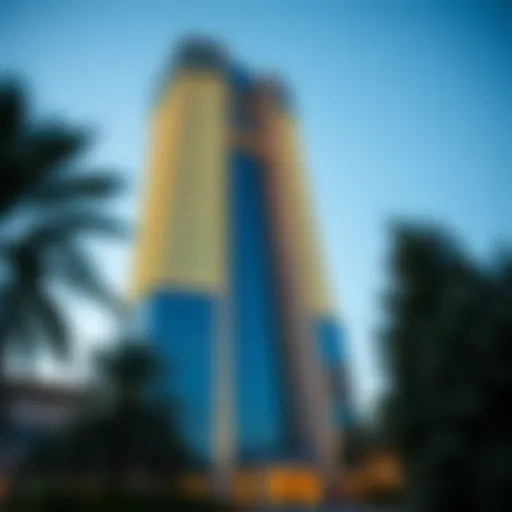
When we speak about the Star Building, we refer to a modern architectural feat that possesses a unique identity. This building encapsulates contemporary design principles while catering to a diverse demographic. It houses a mix of residential, commercial, and leisure spaces, which enhances its function within the urban landscape. The structure's distinct form welcomes both sunlight and wind, embodying a fluidity rarely seen in traditional buildings. The Star Building not only redefines the aesthetic of its environment but also serves as a functional hub, merging living, working, and recreational areas into one cohesive space. Its innovative design appeals to a wide audience, which can include young professionals seeking their first homes or international investors eyeing burgeoning market opportunities.
Historical Context
To fully understand the significance of the Star Building, one must glimpse into the tapestry of Dubai's architectural history. The city has witnessed a transformation from a modest fishing village to a sprawling metropolis, a journey that has profoundly influenced its structural identity. The early days saw simple structures born out of practicality, offering little more than shelter. With the discovery of oil and the subsequent influx of wealth, Dubai began embracing bold architectural projects that reflected unprecedented prosperity.
Each decade brought new styles, revealing a city that is forever changing, yet seeking to hold onto a semblance of its past. The Star Building arises from this context — it is a continuation of Dubai's relentless pursuit of excellence in architecture. Just as the Burj Khalifa and the Palm Jumeirah redefined luxury and spectacle, the Star Building seeks to merge tradition with modernity, reflecting an awareness of the cultural shifts within the city. By examining its roots, we lay the groundwork for understanding how this building aligns with the broader narrative of innovation and ambition that characterizes Dubai's ongoing evolution.
"Dubai isn’t just a city; it's an ever-evolving stage of architectural marvels, where every passing year brings forth a new masterpiece."
In synthesizing these two segments, we recognize that the Star Building isn't merely a structure but a vivid representation of a city that refuses to stand still. It's a testament to Dubai's forward-thinking ethos and an illustration of how architecture can mirror the evolving identity of a society.
Architectural Design
The architectural design of the Star Building stands as a striking example of how imagination meets functionality. This section endeavors to dissect the facets of architectural design within the context of the Star Building, emphasizing its significance not just in terms of aesthetics but also in functionality, sustainability, and urban integration.
Design Philosophy
The design philosophy of the Star Building intricately marries innovation with tradition. Its architects sought to honor Dubai's rich cultural heritage while simultaneously embracing modernity. They viewed the building as a canvas, intending to reflect both the vibrant dynamism of the city and an homage to its historical roots. By utilizing geometric patterns reminiscent of Islamic art, the Star Building subtly nods to the past, intertwining it with contemporary design elements. This duality is what sets the design apart, creating a structure that's not only visually stunning but resonates with the values of its community.
Furthermore, the architects prioritized the concept of transparency. Floor-to-ceiling glass windows are a key feature, allowing for ample natural light and connecting indoor spaces to the breathtaking outdoor vistas. This approach fosters an environment that encourages interaction, both among residents and with the surrounding urban fabric.
"Design is not just what it looks like and feels like. Design is how it works." – Steve Jobs
Materials Used
The materials selected for the Star Building are a crucial element of its architectural identity. High-performance glass dominates the façade, engineered for both aesthetic and functional benefits. This glass not only provides a sleek and modern appearance but also contributes to energy efficiency by reducing heat absorption. The careful choice of materials reflects a commitment to sustainability; recycled items and environmentally friendly components play a vital role in minimizing the building's environmental footprint.
In addition to glass, steel provides structural integrity, while natural stone accents deepen the visual texture, creating a dialogue between modern and traditional materials. This careful balance ensures the building withstands the elements while maintaining a sophisticated look.
Unique Features
What sets the Star Building apart from other structures in Dubai are its unique features that enhance both livability and prestige. One notable aspect is the rooftop garden, an oasis in the sky offering residents a slice of greenery amid the bustling city. This space not only serves as a recreational area but also demonstrates the building's commitment to incorporating nature into urban life.
Beyond the functional, the Star Building includes innovative smart technology that streamlines everyday tasks for residents. Automated systems control lighting, security, and energy usage, embodying the cutting-edge approach to modern living. This blend of luxury and technology elevates the living experience, appealing particularly to discerning investors and homebuyers.
Additionally, the artistic installation featured in the main atrium of the building acts as a focal point, captivating visitors and reinforcing the building's status as an architectural landmark. The integration of art within the structure breathes life into corridors, making them more than just passageways; they transform into vibrant spaces of discovery.
Construction Process
The construction process of the Star Building in Dubai is a critical element that highlights not only the architectural ambition behind its design but also the various practical considerations that come into play during such a large-scale project. Understanding how the building came into existence sheds light on the innovative methodologies used and the challenges that are often faced. Every step in the construction journey contributes to the building's identity as a symbol of modern luxury and sophistication.
Project Timeline
The timeline for the Star Building's construction is a testament to effective project management and the intricate planning that goes into large developments. It is essential to look closely at how each phase was mapped out to allow for a seamless flow from concept to completion.
- Initial Planning Stage: This stage involved extensive brainstorming and collaboration among architects and engineers, ensuring that the vision for the building was both realistic and achievable. Meetings took months, as the design had to meet safety regulations and zoning laws that govern construction in Dubai.
- Groundbreaking Ceremony: The official ceremony marked the beginning of the physical construction. This is when equipment came on-site, and groundwork began. The logistical intricacies of bringing materials and crews together were carefully orchestrated, given Dubai’s bustling cityscape.
- Structural Framework: The building’s skeleton took shape during this phase, involving heavy steel beams which were transported and assembled with precision. This stage not only defined the structure but also required coordination among various subcontractors, each focused on different components like electrical work and plumbing.
- Finishing Touches: The final stage involved both aesthetic and functional elements. Each space was equipped with high-end finishes and specified fixtures, echoing Dubai’s elite standards. Attention to detail during this phase proved crucial in adhering to the project’s original vision.
"The construction timeline was not merely a schedule but a roadmap that guided us through every challenge and triumph we encountered along the way." – Project Manager, Star Building
From groundbreaking to grand opening, the Star Building’s construction journey illustrates a comprehensive project timeline that involved various stakeholders, all contributing to a shared vision. Each phase brought its challenges, yet the end result is a masterpiece of architectural innovation that enhances Dubai’s skyline.
Challenges Faced
Undertaking the construction of a building as ambitious as the Star Building was not without its hurdles. The project team faced a myriad of challenges that had to be navigated in order to bring the blueprint to life.
- Logistical Issues: Coordinating the delivery of materials was a significant challenge. Given the complex requirements, delays in shipments could derail the timeline, necessitating close management of supply chains.
- Technological Limitations: While the building features cutting-edge design, integrating new technologies during construction posed challenges. For example, ensuring that all systems interacted seamlessly with each other required continuous testing and adjustments throughout the process.
- Weather Conditions: The harsh climate in Dubai presented yet another layer of difficulty. High temperatures and sandstorms could slow work, necessitating a flexible schedule that accounted for potential weather disruptions.
- Regulatory Compliance: Adhering to local construction codes and obtaining necessary permits required navigating a complex bureaucracy. For each phase, the team worked diligently to meet safety standards while pushing the boundaries of architectural design.
- Budget Constraints: Finally, keeping the project within budget was a juggernaut of its own. Fluctuations in prices for materials and labor had to be monitored constantly, and adapting to these changes without sacrificing quality was paramount.
The challenges faced in the construction of the Star Building are not merely obstacles, but rather catalysts for innovation and improvement, shaping not only the final product but the overall approach to future mountain-scale projects in Dubai and beyond.
Amenities and Features
The Star Building is not just another high-rise amidst the lush skyline of Dubai. It epitomizes what modern urban living and luxury entail, making it a notable mention in the realm of contemporary architecture. The amenities and features within this architectural wonder play a pivotal role, not only in attracting potential residents and investors but also in setting a benchmark for future constructions. The balance of aesthetics and practicality remains at the forefront here, marrying comfort with opulence in a way few structures can.
Residential Facilities
Residential paraphernalia shapes the experience of living in any building. The Star Building consists of modern apartments that prioritize space, style, and functionality. Open floor plans enhance the sense of space, complemented by large windows that allow natural light to flood the interiors. These features not only improve energy efficiency but also craft an inviting atmosphere that residents cherish.
The residential facilities extend beyond mere living spaces. Gymnasiums, swimming pools, and community lounges are designed with attention to detail, ensuring that residents can unwind and socialize without feeling crowded. Each unit comes equipped with high-end appliances and smart home technology, allowing for seamless living. The question is not whether these facilities exist but how well they cater to the needs of the residents—the Star Building excels here, creating a diverse community that shares spaces yet retains privacy.
Commercial Spaces
A thriving business environment is vital in any urban landscape, and the commercial spaces within the Star Building cater exceptionally well to this requirement. Retail outlets on the ground level not only serve the needs of residents but attract foot traffic from the surrounding areas. Shoppers can find a variety of boutiques and cafes, further adding to the locality's vibrancy.
By housing businesses alongside residential units, the Star Building fosters a mixed-use concept that promotes a unity of work and leisure. Entrepreneurs find themselves surrounded by potential clientele, while residents can easily access essential services just an elevator ride away. This blend of residential and commercial benefits all stakeholders involved; it creates a self-sustained ecosystem where convenience reigns.
Recreational Areas
As much as living and working in a building matters, recreational areas underpin a complete urban experience. The Star Building is outfitted with lush gardens and parks for leisure activities, encouraging physical fitness and community interaction. Outdoor spaces become crucial retreats amidst busy urban life, offering tranquility.
Facilities such as playgrounds for children and quiet spaces for reading or meditation enhance the quality of life for residents of all ages. Rooftop lounges provide stunning views of Dubai's skyline, allowing for social gatherings or intimate evenings under the stars. As urban centers become denser, ensuring access to such spaces becomes increasingly valuable. The Star Building recognizes this necessity and integrates these elements with finesse.
"The capacity of a building to fulfill the needs of its inhabitants defines its success in modern urban living."
Environmental Considerations
Understanding the environmental impact of architectural projects like the Star Building is increasingly significant in today's world. With climate change high on the agenda, sustainable building practices not only appeal to those with a conscience about their carbon footprint but also resonate with investors looking for long-term value. Innovations in design and construction are critical, as they help align this architectural marvel with global sustainability goals.
Sustainable Building Practices
The Star Building embraces several sustainable building practices that set a benchmark in eco-friendly construction. It incorporates locally sourced materials which reduce the carbon emissions associated with transportation. This local approach not only supports the regional economy but also minimizes the environmental impact.
Another prime aspect is the utilization of green roofs and walls, designed to enhance biodiversity within urban settings. These living systems do not just look great; they help insulate the building and absorb rainwater, mitigating runoff. This characteristic is particularly relevant in a city like Dubai, where the climate can be harsh.


Furthermore, the Star Building incorporates rainwater harvesting systems, aiding in water conservation efforts. This practice, along with advanced waste management systems, ensures a lower environmental footprint compared to traditional construction methods.
Energy Efficiency
Use of energy-efficient systems is a hallmark of the Star Building's design philosophy. From advanced glazing techniques that minimize heat gain to smart ventilation systems that regulate airflow, the building cuts down energy usage significantly. A critical element is the use of solar panels, which not only generate renewable energy but can also lower operational costs.
With such systems in place, the Star Building aims for a higher standard of sustainability, showcasing how modern architecture can be both functional and environmentally responsible.
The integration of automated lighting which adjusts based on natural light availability is another example of how energy efficiency is deeply integrated.
Investors and potential tenants have been increasingly attracted to spaces that offer both luxury and sustainability, making energy-efficient buildings like the Star Building a compelling proposition. With rising operational costs and energy prices, energy efficiency can yield significant savings over time, making it a wise investment choice.
Impact on Dubai's Real Estate Market
The Star Building stands as a pivotal element in Dubai's sprawling real estate landscape. Its influence ripples through various facets, reshaping perceptions and setting new benchmarks for luxury and innovation. Let’s delve into the components that underscore the significance of the Star Building within the market.
Market Trends
The architectural beauty and innovative technology embodied in the Star Building engage buyers and investors alike. Recently, there has been a notable increase in luxury property demand, particularly driven by foreign investment. The Star Building’s presence helps amplify this trend, attracting high-net-worth individuals looking for modern living combined with state-of-the-art amenities. Its design integrates living, leisure, and business spaces, which reflects a larger shift toward mixed-use developments in urban settings.
Moreover, the design's aesthetic appeal contributes to a trend toward unique buildings that become local symbols, enhancing their value. "Iconic architecture often translates to increased prices on the market," says one real estate analyst, emphasizing that buyers are willing to pay a premium for residences in notable buildings. This trend confirms that the Star Building is not merely a new addition to the skyline but a catalyst that propels established and emerging real estate market dynamics.
- Unique location enhancing accessibility
- Boost in tourism driven by architectural interest
- Increased interest in sustainability features, aligning with global trends
These trends not only reflect local developments but also showcase Dubai's evolution as a global player in real estate. As the city continues investing in redefining its architectural coherence, properties like the Star Building bolster the metropolitan character while steering market growth.
Investment Opportunities
Investment prospects around the Star Building encapsulate both potential gains and strategic insights. Investors typically seek properties that promise a sound return on investment, and the Star Building offers features that align with these ambitions.
- High rental yields: The appeal of the Star Building ensures high occupancy rates, which bodes well for rental income. Rental yields in Dubai have seen positive upward trends, driven by continuing demand.
- Capital appreciation potential: With Dubai's burgeoning status as a prime real estate hub, properties with distinctive designs and unique features like the Star Building are likely to appreciate significantly over time. Investors can expect that properties with architectural grandeur will maintain resilience against market fluctuations.
- Sustainable investments: Green buildings are becoming increasingly desirable in today’s eco-conscious world. Aspects such as energy efficiency and sustainable materials position the Star Building favorably in attracting environmentally-minded investors.
The emergence of the Star Building as a fulcrum for luxurious living has prompted real estate companies to follow suit in replicating its model. They recognize that blending commercial and residential spaces not only boosts market visibility but also engages buyers more effectively. With a finger on the pulse of evolving demands, investing in such iconic structures signals a savvy move in the realm of property investment.
Cultural Significance
The Star Building stands as more than just a remarkable feat of engineering and design; it embodies the cultural evolution of Dubai itself. In a city renowned for its architectural ambitions, this building emerges as a pillar around which much of the local identity revolves. Its significance is layered, reflecting both the luxurious aspirations of its residents and the broader societal shifts within the UAE.
Symbol of Luxury
The Star Building is often seen as a symbol of luxury in Dubai, showcasing not only opulence but also a distinct modern flair. With its sleek, star-like structure, it attracts attention from both tourists and locals alike. This striking design resonates with the aspirations of those who inhabit and visit the city. It’s not just a place to live or work; it’s a status marker, elevating its residents and businesses into the echelons of exclusivity.
This structure features luxurious amenities that cater to a high-end lifestyle. From upscale residential apartments with breathtaking views to exclusive commercial spaces, the Star Building embodies grace and elegance. Many residents find themselves basking in a lifestyle that is the epitome of comfort and sophistication. Just like a lavish diamond shining under the sun, the building reflects an image of success and prestige.
"Dubai is not just building structures; it is crafting experiences. The Star serves as a benchmark for luxury living."
Influence on Local Art and Architecture
Beyond its immediate luxury implications, the Star Building's influence on local art and architecture cannot be overlooked. This structure acts as a catalyst for innovation, inspiring local architects and designers to push the limits of their creativity. In many ways, it forms a bridge between traditional Emirati values and contemporary aesthetics. As more and more architects look to the Star Building, they find themselves integrating similar luxurious attributes into their own projects, thus enriching Dubai's architectural landscape.
Furthermore, the building supports local artists by featuring installations and artwork in its common spaces, promoting a culture of creativity amidst luxury. This not only enhances the allure of the Star Building but also reinforces the importance of art in the urban environment. Through its design and patronage, the building fosters a community dedicated to both artistic expression and architectural excellence
Comparative Analysis
Comparative analysis serves as a crucial bridge between understanding the Star Building and its place within the wider architectural landscape. By examining the Star Building alongside other iconic structures, we unveil both unique attributes and shared characteristics that define modern architecture. Understanding these relationships provides insight not just into the Star Building’s significance but also into the architectural trends and innovations shaping urban centers globally.
Star Building vs. Other Iconic Structures
When it comes to unique designs, one can’t help but contrast the Star Building with towering giants like the Burj Khalifa or the Sydney Opera House. Each of these structures tells a story, influenced by its locale, culture, and societal needs. The Star Building is not merely a collection of steel and glass; it integrates smart technology, reflecting a conscious choice towards a sustainable future.
- Design Elements: While the Burj Khalifa reaches for the clouds, the Star Building stretches out to embrace its surroundings. Its star-like configuration invites interaction, making it a centerpiece rather than an isolated tower.
- Sustainability: Where many buildings merely pay lip service to sustainability, the Star Building employs energy-efficient practices like solar panels and rainwater harvesting systems. This positions it as a leader compared to others that may lag in implementing environmentally friendly technologies.
- Cultural Resonance: The iconic structures of the world often become symbols of their cities. The Star Building, with its ambitious design, stands as a testament to Dubai's ongoing transformation. In contrast to the historical context of Paris’ Eiffel Tower or London's Shard, it reflects not just a location but a vision of what the future can hold.
"In architecture, the most powerful elements are those that invite experience. The Star Building does this while echoing its counterparts worldwide."
Lessons from Global Practices
In analyzing the Star Building in tandem with global practices, several lessons emerge. It is evident that innovation does not exist in a vacuum; rather, it thrives in a context rich with influences and shared knowledge. The insights derived from different architectural realms contribute significantly to the evolution of structures such as the Star Building.
- Community Integration: Many successful buildings worldwide, such as the High Line in New York City, have demonstrated the importance of integrating community spaces. The Star Building follows suit by including public areas that encourage social interaction, benefiting both residents and visitors alike.
- Adaptive Reuse: Structures like the Tate Modern in London highlight the potential of repurposing existing buildings. The Star Building, although new, draws inspiration from this mindset by incorporating local aesthetics and materials, enhancing its contextual relevance.
- Technological Advancements: Examining how buildings like the Bosco Verticale in Milan utilize natural biodiversity informs the Star Building’s approach to environmental integration. The use of vertical gardens and green roofs can offer solutions to air quality and biodiversity, lessons well-acknowledged in its planning stages.
In summary, through a comparative lens, the analysis emphasizes both the distinctiveness of the Star Building and its embodiment of broader architectural principles. While it stands proudly within Dubai's skyline, it mirrors global lessons in sustainability, design, and community engagement, offering a roadmap for future developments in urban architecture.
Future Prospects
As the jewel of Dubai's skyline, the Star Building signifies more than just luxury and architectural innovation. It stands as a mirror reflecting the future of real estate in this rapidly evolving city. When one looks ahead, this building presents a rich tapestry of potential opportunities and challenges that stakeholders must navigate to capitalize on its legacy. Understanding the future prospects of the Star Building is pivotal for investors, homebuyers, and real estate agents, as it helps to outline not only market ambitions but also the hurdles that lie ahead.
Forecasting Market Trends
The dynamic nature of Dubai's real estate market is akin to a pendulum that swings between remarkable highs and challenging lows. Current trends indicate a shift towards sustainable living, with more buyers seeking not just a home but a lifestyle that resonates with energy efficiency and green initiatives. The Star Building is aligned with these values, offering features that are both luxurious and environmentally conscious. As we look to the future, expectations are that the demand for properties like the Star will intensify, particularly among discerning investors
- Growing interest in sustainable architecture.
- Inquiries from international buyers seeking luxury properties.
- Increased appreciation for community-oriented amenities.
These elements, combined with Dubai's strategic position as a global hub for trade and tourism, could create a surge in demand for new projects that capitalizes on the model set by the Star Building. However, while the potential is vast, the market's volatility necessitates a keen understanding of what drives buyer confidence. Factors such as regulatory changes, economic stability, and demographic shifts will significantly influence future developments.
Potential Challenges Ahead
While the optimism surrounding the Star Building is palpable, it's essential to wear a realist's hat. Challenges are indeed lurking in the shadows that require attention. The rapid pace of development can lead to market saturation, making it imperative for projects to differentiate themselves effectively. Additionally, maintaining the balance between luxury and affordability is a tightrope walk that not all developments succeed in. Some of the significant challenges that could impact the Star Building and similar properties include:
- Market Saturation: The potential overdevelopment in certain sectors may create a glut of supply, leading to decreased values and rental yields.
- Economic Fluctuations: Global economic downturns can result in reduced foreign investment and alter the demographics of potential buyers.
- Regulatory Changes: Shifts in government policy regarding land usage and foreign ownership can unexpectedly affect property values and investor interest.
It’s a fine line between ambition and pragmatism; the key lies in understanding the pulse of the market.
The End
In evaluating the significance of the Star Building within Dubai's architectural landscape, we uncover layers of meaning that stretch far beyond its stunning façade. This exploration hinges on several critical elements that students of architecture and investors alike should consider.
Summarizing Key Insights
Reflecting on the unique features of the Star Building, it emerges not just as a structure made of concrete and glass, but as a representation of Dubai's relentless pursuit of innovation. The amalgamation of modern design with sustainable practices sets a benchmark for future developments. Here are a few vital insights to remember:
- Influence on Design Culture: The Star Building has set a new pace for architectural progress, inspiring emerging local architects to push boundaries.
- Economic Impact: Its commercial spaces have provided a boon to the economy, offering opportunities for both businesses and investors.
- Cultural Symbolism: The structure embodies luxury and a sophisticated lifestyle, contributing to Dubai's narrative as a global city.
Moreover, the building signifies a shift in the way urban spaces are utilized—balancing aesthetic appeal with functional living.
Final Thoughts on the Star Building's Legacy
As we look to the future, the Star Building stands as a testament to what is possible when creativity meets functionality. Its legacy will likely influence both the skyline and the burgeoning real estate market of Dubai for years to come. Investors, agents, and homebuyers will find themselves drawn not merely to a physical space but to an entire ecosystem crafted around luxury and comfort.
"Every structure tells a story; the Star Building narrates the tale of a city that never sleeps and always dreams big."
The ongoing developments around the Star Building will undoubtedly continue to shape the city’s narrative. The challenges ahead, from sustainability to market fluctuations, will require astute observation and adaptability from investors. The Star Building is indeed a marker of transformation in the urban fabric of Dubai, reinforcing the notion that the city's architectural endeavors are not just about towering heights but about weaving a rich tapestry of culture, innovation, and opportunity.
For further reading on architectural innovations and market trends, visit Britannica or Wikipedia for insights on similar structural marvels.