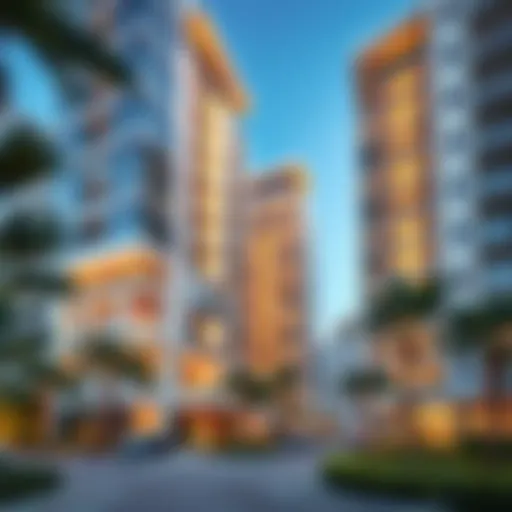
A Detailed Look at Dubai's Residential Landscape


Intro
Dubai, a city that has grown from a small trading post into a global hotspot, attracts countless individuals looking for a new home, investment potential, or even just an adventure. With its modern skyline, world-class amenities, and bustling lifestyle, it’s hardly surprising that many are keen on making this city their residency.
This comprehensive guide will journey through the various types of residences available in Dubai, touch on the current market trends, and explore the array of investment opportunities. Whether you're a prospective homebuyer, an investor looking to dip your toes into the real estate waters, or simply curious about what living in Dubai entails, this guide will help illuminate the path ahead.
From the luxurious beachfront villas in Palm Jumeirah to the modern skyscrapers of Downtown, there's something for everyone. The landscape of residences is rich and diverse, catering to a multitude of needs and preferences. As we delve deeper, you'll gain insights into the key neighborhoods, market fluctuations, and factors that influence pricing, all while unpacking the specific advantages that Dubai offers its residents.
So, tighten your seatbelt as we embark on this expedition through the fascinating world of Dubai's residences.
Understanding the Dubai Residential Property Market
The landscape of Dubai's residential property market is as diverse as the city itself. Comprehending this realm is critical for anyone interested in tapping into Dubai's bustling real estate scene—be it investors, homebuyers, or even agents.
The significance of understanding the market lies not only in the potential for investment returns but also in appreciating the lifestyle choices available. With a median population of expatriates, many are keen to find a place that resonates with their culture yet caters to modern conveniences. Moreover, the right knowledge can empower newcomers to make sound choices, ensuring their living arrangements suit their personal and financial needs while aligning with local regulations.
Overview of Dubai's Real Estate Landscape
Dubai's real estate market stands out globally, characterized by rapid growth and diverse offerings. From luxurious high-rise apartments overlooking the iconic Burj Khalifa to quaint villas in serene suburbs, the options are extensive. The developments here aren’t just about living spaces; they are often masterpieces of engineering and design, pulling in residents for their aesthetic appeal and functional features alike.
In the last decade, Dubai's property market has transformed, benefitting from expansive infrastructure improvements and a strong influx of foreign investment. New areas have sprung up, catering to a varied demographic, which ensures a broader range of choices for families, singles, and business professionals alike. Moreover, government initiatives, such as long-term visas for investors, have only added fuel to the fire, promoting long-term residence and commitment to real estate investment.
Key Drivers of the Housing Market
Several factors drive the dynamics of Dubai's housing market. Firstly, economic stability plays a pivotal role, and the emirate has undoubtedly positioned itself as a global business hub. With low taxation rates, luxurious amenities, and year-round sunshine, it’s a destination that attracts talent from around the world.
Another key aspect is the influx of expatriates. With about 90% of Dubai's population being expats, the demand for diverse housing options continuously evolves. Thus, new developments often cater to cultural and lifestyle preferences, enhancing the market's adaptability. The rise of remote work and changing lifestyles post-pandemic also influences demand; buyers prioritize homes with flexible spaces suitable for both working remotely and family time.
Additionally, government policies aimed at bolstering the housing sector further fuel growth. Initiatives allowing easier buying processes for foreigners, along with incentive programs for developers, have enriched the appeal of investing in Dubai.
Current Trends Shaping Residential Choices
As the residential market in Dubai evolves, several trends began to emerge that shape how and where people choose to live. For one, there is a noticeable shift towards sustainability. Developments that incorporate green architecture and environmentally friendly designs are gaining popularity. Buyers are increasingly aware of their ecological footprint and seek homes that reflect their values.
Moreover, a trend of seeking more space has surfaced, partly influenced by the pandemic, pushing many towards villas or townhouses rather than cramped apartments. This desire for space often correlates with family dynamics; families are looking for homes that accommodate both work and leisure activities comfortably.
Lastly, technology integration into properties is becoming a norm. Smart homes equipped with the latest technology for security, energy efficiency, and convenience are catching the eyes of tech-savvy buyers. This modern approach not only enhances living standards but also significantly boosts property values, making such investments more lucrative.
Types of Residences Available in Dubai
Understanding the diverse types of residences in Dubai is crucial for potential homeowners, investors, and renters. Each property type offers unique benefits, catering to different lifestyles and needs. By unpacking these options, readers can align their housing choices with their financial goals, family situations, and personal preferences.
Apartments: Urban Living
Apartments in Dubai represent a dynamic urban lifestyle. With a wide ranging selection available, they cater to singles, families, and professionals alike.
Luxury High-Rises
Luxury high-rises in Dubai redefine opulence. Towering structures such as Burj Khalifa find their peers in places like the Marina Gate or One Za'abeel. The stunning designs and unparalleled views are not just for show; many come with amenities like infinity pools, gyms, and concierge services. This adds a layer of comfort and prestige, making these properties immensely attractive. However, they often carry a hefty price tag that might not fit every budget.
Affordable Options
On the flip side, affordable options are crucial for a diverse population. Areas like International City or Dubai Silicon Oasis offer budget-friendly apartments without skimping on essentials. These residences often attract young professionals and small families eager to settle down without breaking the bank. While they may not feature luxury amenities, they provide practicality and access to essential services, which can be a significant advantage for many.


Family-Oriented Communities
Family-oriented communities are becoming all the rage in Dubai. Places like Jumeirah Village Circle often contain spacious apartments designed specifically for families. Key characteristics include proximity to schools, parks, and recreational facilities. This makes it a wise choice for families who want convenience and safety. However, the trade-off might be lesser access to some of the flashier attractions found in more tourist-centric areas.
Villas: Privilege and Privacy
Villas offer a unique blend of privilege and privacy, making them highly sought after within the Dubai real estate landscape. They provide more than just living space; they offer a lifestyle choice that emphasizes comfort and exclusivity.
Standalone Villas
Standalone villas, like those in Emirates Hills, often represent the apex of luxury living. These properties are notable for their spacious layouts and private gardens. Many have swimming pools and expansive views, appealing to those who value personal space and tranquillity. While they are often a financial stretch, the long-term benefits can outweigh costs for many buyers.
Gated Communities
Gated communities in Dubai, like Arabian Ranches, are known for enhanced security and a sense of exclusivity. Their key trait is controlled access, which provides a safe environment for families. Community facilities such as parks, pools, and gyms further enhance the living experience. Still, they can be pricier than more open neighborhoods, and some may find the exclusivity isolating.
Eco-Friendly Developments
Eco-friendly developments, such as those in Dubai Sustainable City, cater to the growing demand for sustainability. These properties boast energy-efficient designs and often have communal gardens and green spaces. The appeal lies not just in environmental consciousness but also in reduced utility costs. However, they might not offer the same level of luxury finishes that some traditional villas do.
Townhouses: A Middle Ground
Townhouses in Dubai represent a middle ground, offering benefits of both apartments and villas. They usually provide more space and a backyard, which many buyers find appealing. Ideal for families or individuals wanting a community feel, they often come with the added advantage of lower maintenance compared to standalone villas. However, some townhouses can lack the same level of privacy, especially in densely populated areas.
Through this detailed exploration of property types in Dubai, potential residents can better navigate their options, ensuring they make informed choices that resonate with their lifestyles and financial goals.
Popular Areas for Residential Living
When it comes to choosing a place to live in Dubai, the options are as varied as they are compelling. Each neighborhood comes with its unique vibe, offering a blend of culture, comfort, and access. Understanding the prominent areas allows potential residents, investors, and homebuyers to make informed decisions. The following sections will delve into some of the most sought-after locations, highlighting what makes these areas attractive choices for both families and individuals.
Downtown Dubai: The Heart of the City
Downtown Dubai is nothing short of an urban marvel. As the beating heart of the emirate, it boasts the iconic Burj Khalifa and the expansive Dubai Mall. Living here means being just a stone’s throw away from world-class dining, shopping, and cultural spots. Residents often revel in the festive atmosphere, especially during the evening when the Burj Khalifa lights up the skyline.
This area is not just about luxury; it also offers a sense of community, connecting people from all walks of life. The architectural brilliance paired with lush landscaping adds to the overall aesthetic. Families may enjoy proximity to recreational spots like the Dubai Fountain and numerous parks, making it an appealing choice for those seeking a vibrant lifestyle.
Dubai Marina: Waterfront Living
Dubai Marina is synonymous with opulence and modernity. Positioned along the waterfront, this neighborhood attracts those yearning for both luxury and leisure. High-rise apartments with stunning views of the marina are a common sight, giving residents a consistent reminder of the area’s beauty. The Marina Walk offers a plethora of restaurants, cafes, and retail options, ensuring there's always something to do.
A notable feature of Dubai Marina is its vibrant nightlife. Bars and lounges lining the water serve as perfect spots for socializing, adding an electric vibe to the locale. With well-connected transport links, such as the metro and water taxis, getting around is a breeze, making it ideal for young professionals and families alike.
Jumeirah: Coastal Elegance
Jumeirah is a prime residential area known for its coastal elegance and serene landscapes. Renowned for its stunning beaches, this area attracts those looking for a more relaxed lifestyle with easy access to sun and sea. Families often gravitate towards Jumeirah for its spacious villas and proximity to high-quality educational institutions.
The architecture here is picturesque, with a mix of modern and traditional designs, creating a distinctive charm. Residents often enjoy weekend barbecues at beachside parks or strolls through the bustling souks nearby. Overall, Jumeirah provides a contrast to the city's hustle and bustle while maintaining a sense of community.
Dubai Hills Estate: Suburban Charm
Dubai Hills Estate is defined by its suburban charm and family-friendly environment. This emerging neighborhood features an array of villas and townhouses set amidst lush greenery, making it a serene escape from the city’s frenetic pace. The Dubai Hills Golf Club adds a touch of elegance, appealing to golf enthusiasts and their families.
This area is particularly attractive for long-term residents due to its community-centric amenities, including schools, parks, and retail outlets. The layout promotes a healthy outdoor lifestyle, encouraging residents to embrace nature while still having easy access to the bustling amenities of nearby areas.
Palm Jumeirah: Exclusive Island Living


Palm Jumeirah stands out as one of the most iconic residential locations in Dubai. This man-made island offers residents a unique experience with its luxurious villas, high-end apartments, and exclusive beachfront properties. Living here is akin to being on holiday every day, with private beaches and stunning ocean views.
The appeal of Palm Jumeirah is not just in its visuals but also in the lifestyle it offers. From fine dining establishments to high-end shopping experiences, everything is at your fingertips. It’s a choice that resonates with those who appreciate luxury and exclusivity, making it a desired spot for both homebuyers and investors.
Each area provides its own set of amenities, cultural ties, and unique lifestyles, ensuring that there is something for everyone in Dubai.
Considerations for Living in Dubai
Understanding the considerations for living in Dubai is crucial for anyone contemplating a life in this vibrant city. It’s not just about the stunning skyscrapers or the luxurious lifestyle; factors such as cost of living, regulatory frameworks, and cultural nuances are equally significant. Each element lays the groundwork for a fulfilling residence in this bustling metropolis. Thus, diving deep into these aspects is necessary for navigating the complexities of living in Dubai, especially for expatriates, investors, and families alike.
Cost of Living and Property Prices
The cost of living in Dubai can vary dramatically depending on the area and lifestyle. City center locations such as Downtown Dubai or Dubai Marina can be a tad pricey. Meanwhile, properties further out in suburbs may suit budgets better. Housing prices reflect a blend of factors: location, amenities, and overall demand. A glance at the latest statistics shows that properties in established neighborhoods often command higher rental yields.
While accommodation can take a significant bite out of the annual budget, everyday expenses, such as groceries or transportation, can also vary. For instance, going out to dine or frequent leisure activities might quickly add up, depending on where one chooses to indulge.
- Typical Costs: Consider these average monthly expenses:
- Rent:
- Utilities:
- Grocery Budget:
- Studio in Dubai Marina: AED 6,500 - AED 10,000
- 2-Bedroom in Jumeirah: AED 12,000 - AED 20,000
- Average AED 600 - AED 900
- Around AED 800 - AED 1,200 depending on dietary choices.
“Budget wisely; you don’t want to feel like your money's slipping between your fingers.”
Regulatory Aspects of Home Ownership
Home ownership in Dubai can be a labyrinth of regulations, particularly for expatriates. Understanding the legal frameworks governing property laws is essential. In some areas, foreigners have the right to own property, like those designated as freehold. However, in leasehold areas, ownership tends to be limited to a specific period, often up to 99 years. This makes it vital to engage with reliable real estate advisors who understand the ins and outs of local legislation.
- Key Points:
- Freehold vs. Leasehold: Understand the rights associated with each.
- Property Registration: Mandatory process through the Land Department.
- Financing Options: Varies widely and often requires a larger down payment for non-residents.
Navigating these regulations can seem daunting, but having the right guidance can ease the process and ensure that investments are sound and legitimate.
Cultural Factors Influencing Living Standards
Cultural dynamics play a pivotal role in shaping daily life in Dubai. The city’s multicultural fabric reflects a blend of various traditions, values, and norms that can differ significantly from those in the West or other regions. These cultural nuances can influence everything from workplace dynamics to familial structures, or how communities interact.
Understanding the local customs and etiquette can greatly enhance the living experience:
- Cultural Sensitivity: Respect local practices, particularly during Ramadan.
- Social Norms: Interactions can be shaped by various factors, including nationality and community background.
- Language: English is widely spoken, yet knowledge of Arabic can improve integration.
A healthy respect for the local culture not only enhances social interactions but can also pave the way for a better sense of belonging and community integration.
By grasping the financial, legal, and cultural landscapes, prospective residents can smoothly transition into life in this captivating city, making informed decisions that align with their lifestyles and aspirations.
Investment Opportunities in the Dubai Residential Market
The landscape for investment in Dubai's residential properties is like a merchant’s bazaar—vibrant, dynamic, and full of potential. As one of the fastest-growing cities globally, Dubai stands out for investors eager to sink their roots in a market that offers both stability and excitement. This section will delve into the various aspects of investing in this unique environment, including market conditions, rental yields, and upcoming developments that influence property value.
Current Market Analysis
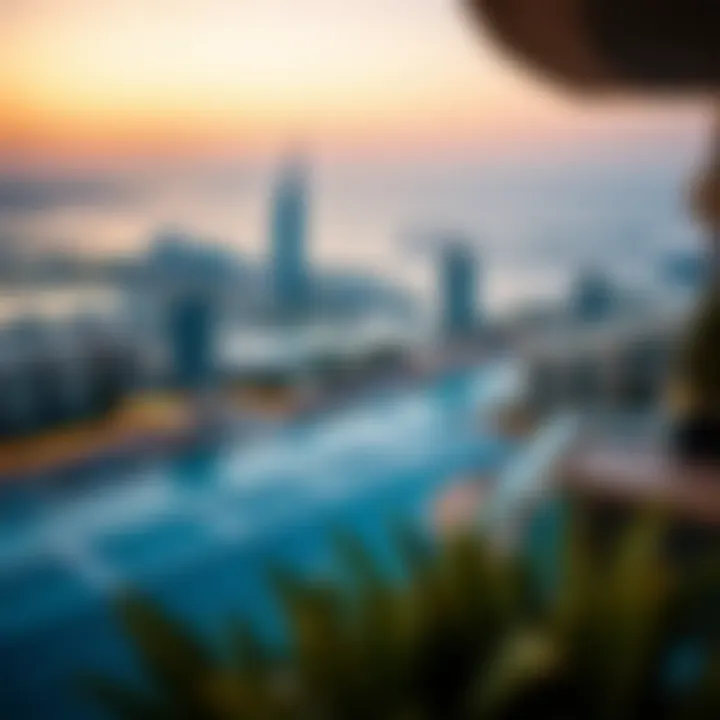
To understand the investment opportunities in Dubai, one must first grasp the current market dynamics. The residential property market has displayed notable resilience, with prices stabilizing over the last few years after facing downward pressure. The demand for rental units is predominantly fueled by a growing expatriate population and an increasing number of tourists. For instance, in 2023, properties in areas like Dubai Marina and Downtown Dubai are witnessing a continual uptick in value owing to their prime locations and amenities.
According to reports, the residential market saw a year-on-year increase in sales transactions, indicating a high level of investor confidence. Buyers are showing interest not just in apartments but also in villas and townhouses, targeting options that cater to families. Notably, luxury segments are also thriving, bolstered by foreign investments—particularly from investors based in Europe and Asia.
Rental Trends and Yield Potential
Investors looking to capitalize on Dubai's real estate market should give serious thought to rental properties. The average rental yields in Dubai hover around the 7-8% range, which is relatively high compared to cities like London or New York. This lucrative scenario is attractive for landlords seeking regular income streams.
Key factors influencing rental trends include:
- Location: Prime areas like Jumeirah and Dubai Marina command higher rental prices due to their scenic views and proximity to facilities.
- Property Type: Luxury flats and villas typically bring in higher rental rates, while affordable housing still sees good demand.
- Amenities: Properties with additional features such as swimming pools, gyms, or proximity to schools often enjoy quicker tenant turnover.
Investors should consider that the rental market can be seasonal, with peak demand during the winter months when many expatriates look to relocate.
Future Developments and Their Impact
When looking at investment opportunities, it’s crucial to consider upcoming residential projects that could shape Dubai's property landscape. The government has been proactive in planning developments that enhance the city's reputation as a global hub.
- Expo 2020 Legacy: The Expo site is being transformed, with future residential projects aiming to support the growing population, promising new opportunities for buyers and renters alike.
- Infrastructure Improvements: Ongoing upgrades to public transport and new road networks are set to increase accessibility, which often translates to higher property values in less developed areas.
- Sustainable Developments: There is a visible trend towards eco-friendly residential projects. Green housing initiatives not only cater to the environmentally conscious but often offer incentives which could enhance long-term investment returns.
Investors must stay informed about these developments as they will ultimately impact property values and rental yields in the near future.
In summary, the Dubai residential market presents an array of compelling investment opportunities driven by current market strength, favorable rental trends, and promising future developments. As the city continues to grow and evolve, the savvy investor who keeps a pulse on these aspects stands to gain considerably in this dynamic real estate environment.
“In Dubai, opportunity is around every corner; it’s about knowing where to look.”
For further details on property trends and insights into Dubai, consider checking the reports at Dubai Land Department and Bayut.
Moving to Dubai: A Practical Guide
Relocating to Dubai can be an exciting yet challenging endeavor. The city, known for its futuristic skyline and multicultural atmosphere, has a lot to offer, but moving there requires careful planning and consideration. By understanding the process, newcomers can make a smooth transition and fully enjoy what Dubai has to provide. Let’s dive into the essentials that make this move not just feasible but rewarding.
Visa Regulations for Expatriates
Navigating visa regulations is one of the first steps to moving to Dubai. The UAE has specific visa categories tailored for different groups, whether you're an employee, a family member, or an investor.
- Employment Visa: This is usually sponsored by an employer and is imperative for those aiming to work in the emirate. Generally, your employer handles most of the paperwork, but you’ll need to provide documentation such as a valid passport and medical clearance.
- Investor Visa: For those considering establishing a business or investing in property, this visa can be a good option. The minimum investment requirement to qualify can vary depending on the venture you choose.
- Residence Visa: If you are moving with family, you will need a family residence visa which can cover your spouse and children.
It's wise to start by checking the latest regulations from the UAE Government Official Portal, as rules may change frequently.
"Understanding visa regulations can simplify much of the initial adaptation to the city, laying a solid foundation for your new life."
Settling In: Community Integration Tips
Once you’ve secured your visa, the next step is to settle into your new environment. Dubai is a melting pot of cultures, comprising over 200 nationalities. Here are a few tips to help you feel at home:
- Join Local Clubs or Groups: Whether it’s a book club or a sports team, joining social groups can rapidly expand your network and help you meet people who share your interests.
- Attend Community Events: Keep an eye on community boards or official tourism websites for events. These gatherings are ideal for learning more about the local culture and meeting residents.
- Explore Diverse Neighborhoods: Each area in Dubai offers something unique. From the vibrant souks of Deira to the luxury of Downtown, familiarizing yourself with local neighborhoods can help you feel connected.
Engagement with the community can not only ease the transition but also enrich your experience in this bustling city.
Schools and Healthcare Services
When moving to a new country, understanding the educational and healthcare systems plays a crucial role, especially for families. In Dubai, you’ll find a mix of public and private schools, with many offering international curricula:
- International Schools: These often serve expat families and provide globally recognized programs like the IB or British curriculum. Some well-known schools include the Dubai American Academy and the Jumeirah English Speaking School.
- Local Schools: Public schools are available but primarily cater to local residents and typically follow the UAE’s Ministry of Education curriculum.
When it comes to healthcare, Dubai boasts a robust healthcare infrastructure:
- Public Healthcare: Affordable and accessible, but might have longer wait times.
- Private Healthcare: Offers more immediate care but often at a higher cost. Facilities like Cleveland Clinic and Mediclinic are well regarded.
Knowing where to find quality education and healthcare is pivotal for a successful transition for you and your family in Dubai.